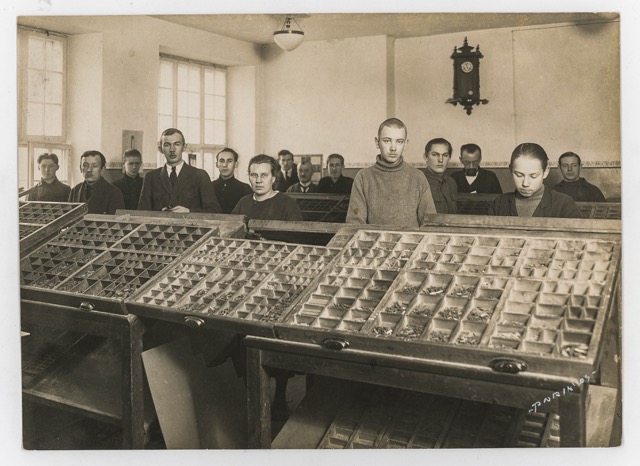
Trükitähtede lõppkasutaja: trükikoja käsiladumisruum. A final user of a printing type: typesetting room in a printshop. Allikas / Source: TPM 91:7 A 43:1/8, autorid / photo by J. & P. Parikas
The exhibition offers new perspectives on the production, use and distribution of typefaces in Estonia and the Baltic region. It highlights the typographic culture of a key historical moment — the years of the first Republics of Estonia and Latvia, from 1918 to the Soviet occupation of 1940 — an era that set up the contemporary textual identity of Estonia and continues its influence today. It was a time when these newly independent states shaped their printed language on their own terms for the first time, and the exhibition sheds light on a little-known period of typographic heritage.
%201.jpg)
Riigi Kunsttööstuskooli trükikoja kirjaproovid, Tallinn, 1926./ Type Specimen from the printshop at the State School of Arts and Crafts, Tallinn, 1926. Allikas / Source: TYPA kogu. TYPA’s collection
Estonian and Latvian only became officially recognised national languages in 1918, along with their independence. Before then, these languages existed for centuries primarily as a spoken vernacular, while general administration was conducted in German or Russian. It was also a time of change in European typography, as printers moved away from blackletter, which, unlike in the rest of Europe, remained in common use in Estonia and Latvia until the 1930s. More modern type was entering the market, and with the opening of local foundries, such as the Gutenberg foundry in Riga, more options expanded considerably. Here we explore the typographic choices available to printshops at this time, tells stories of where these fonts came from, local suppliers and foundries. Constellations are drawn across the various organisations, suppliers and customers, linking different social, historical and cultural threads.
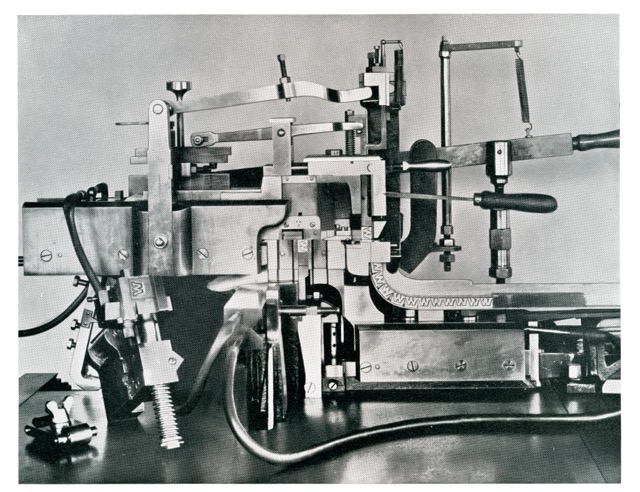
Trükivalmis tähed jooksevad kirjavalamismasinast välja. Finished type emerges from the type casting machine. Allikas / Source: Truupere. 1937. Trükikirjast. Allikas / Source: TYPA kogu. TYPA’s collection
This exhibition is part of a larger research project, which examines not only this historical period and the documentation and categorisation of TYPA's collection in a new database, but also the creative potential of contemporary type-making. For the first time, we open for the public a new custom-built database, which connects the typefaces of TYPA with historic items, specimens, print houses and the people involved. The database also documents, in high-quality photographs, each glyph of many of the fonts. Each glyph is downloadable as a file suitable for creating CNC cutting files, for new type-making. Although the database remains a work in progress, limited only by time and manpower, this is where the contemporary creative potential of the research already comes into play: with these files we can recreate historic typefaces and make them available as wood or metal type.
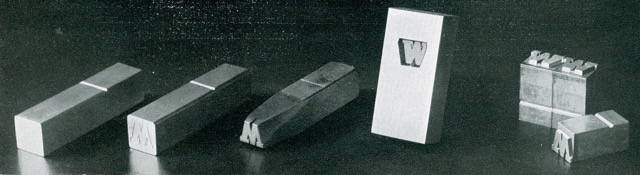
Trükitähe elutsükkel teraspunsoonist valmis tooteni. The life cycle of a printing type, from steel punch to readymade product. Allikas / Source: Truupere. 1937. Trükikirjast.
The exhibition will run from the 28th of August 2026 until the 31st of March 2027. It will include practical activities alongside typographic collections preserved in the Baltic countries today: collections of metal type at the TYPA Printing and Paper Art Centre, the Estonian Academy of Arts and Vilnius Academy of Arts, as well as a collection of type-specimen books from Estonian printing houses held at TYPA, the National Library of Latvia, the Tartu University Library and the Tallinn University Academic Library. The exhibition presents the initial findings of the Ministry of Culture Creative Research Grant (KUM-LU) Constellations in Type: Estonian Print Identity, 1918–1940. It is sponsored by the Association for the Advancement of Baltic Studies.
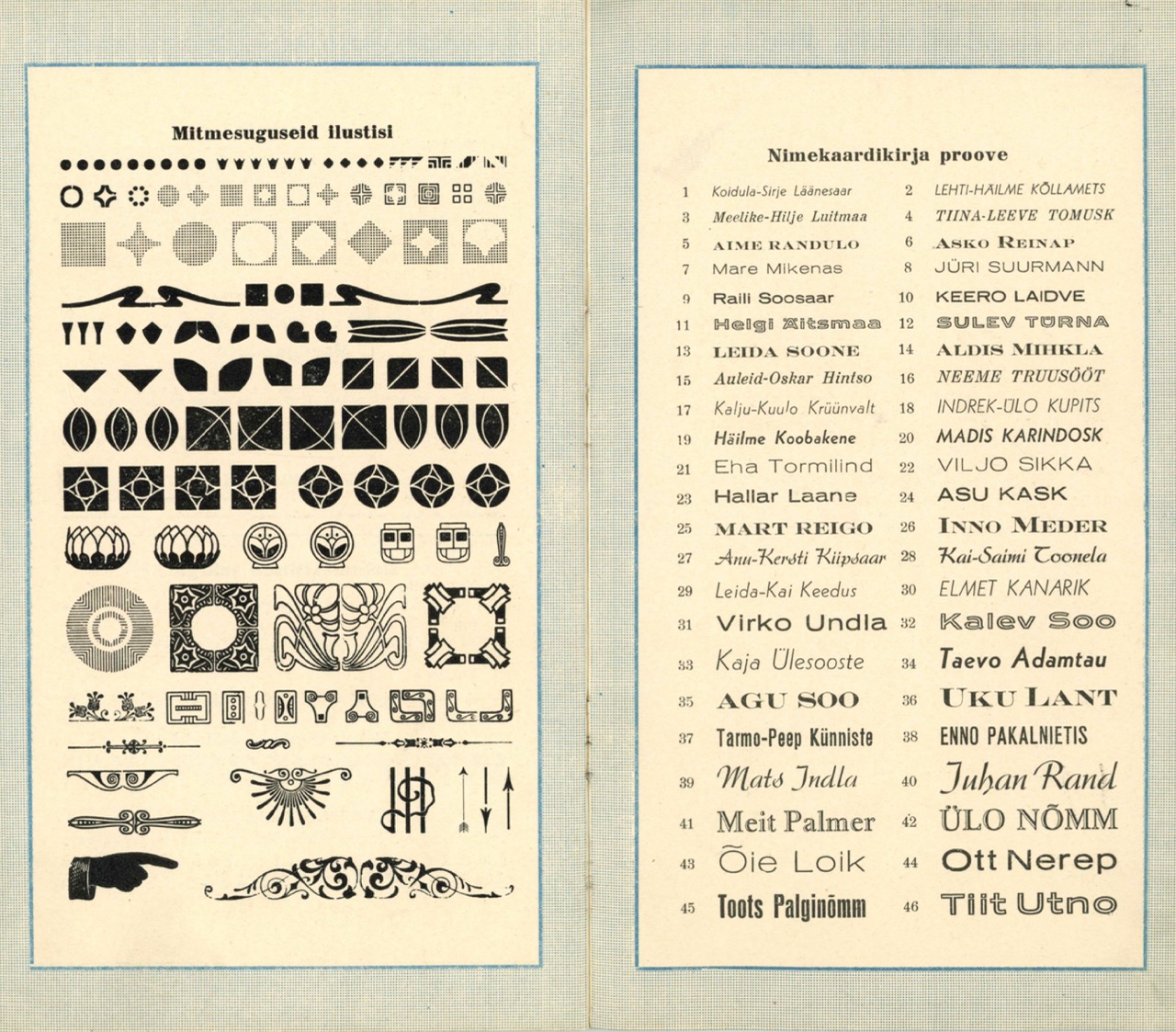
Karl Kaskneeme trükikoja kirjapoovid. Type Specimen from Karl Kaskneem’s printshop. Allikas / Source: TYPA kogu. TYPA’s collection
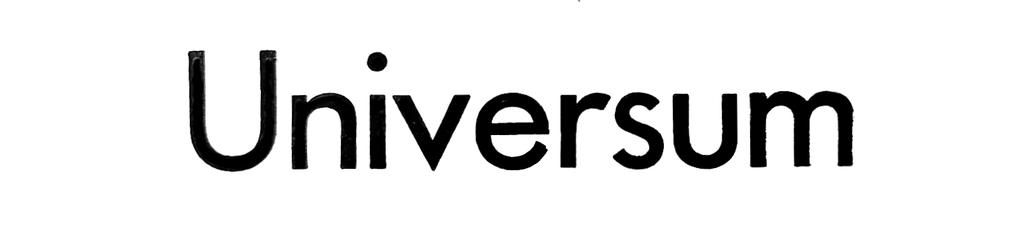
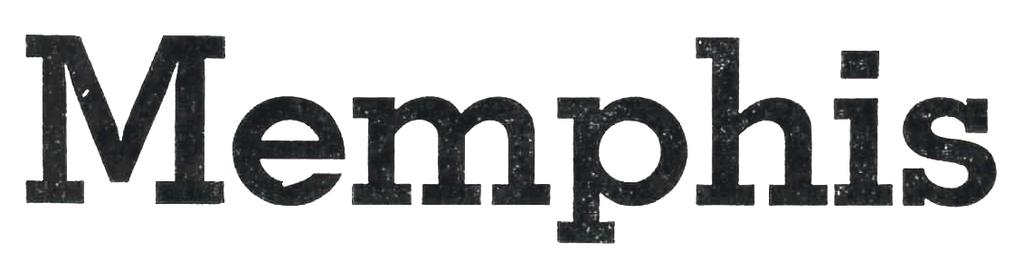
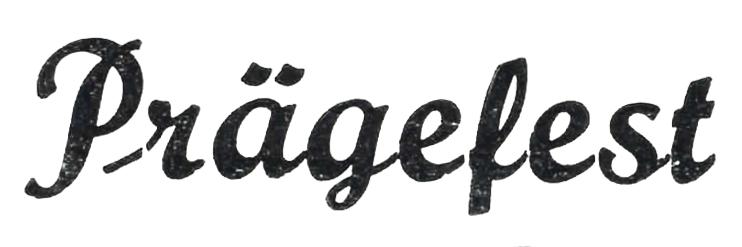
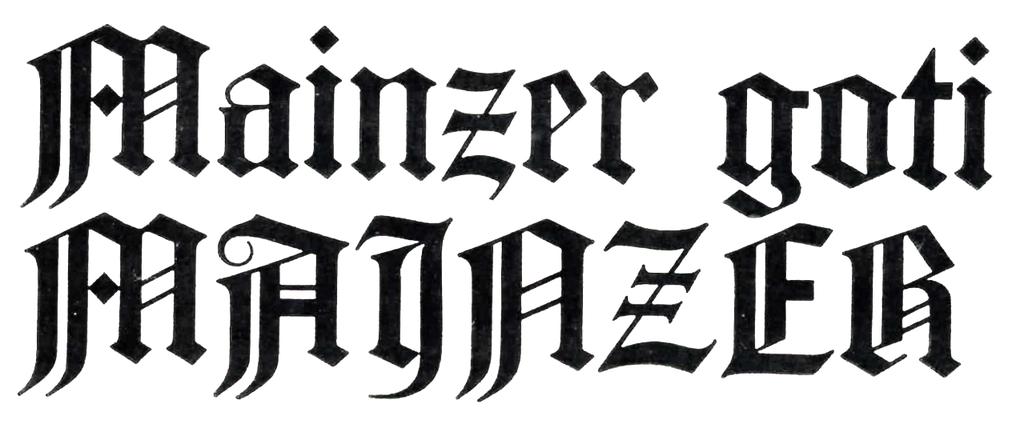
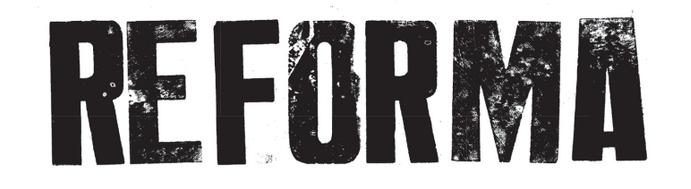
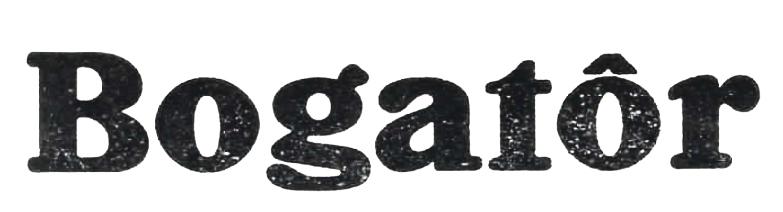
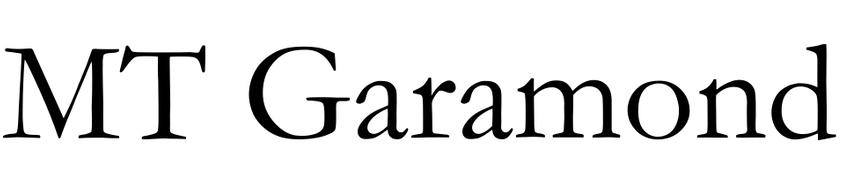
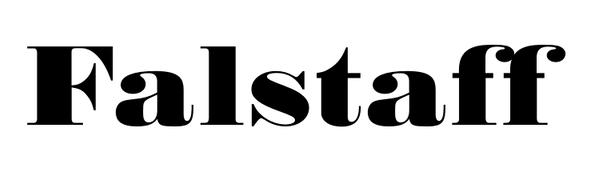
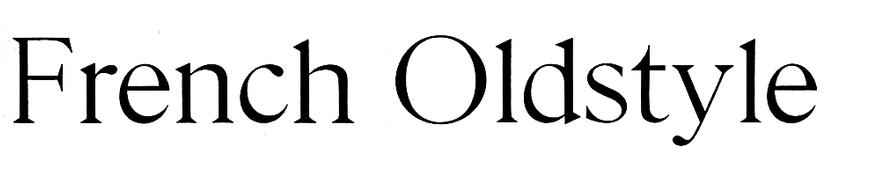
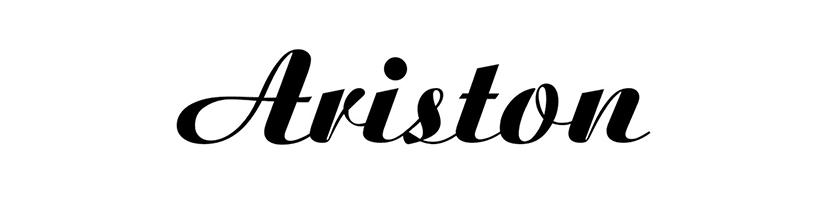
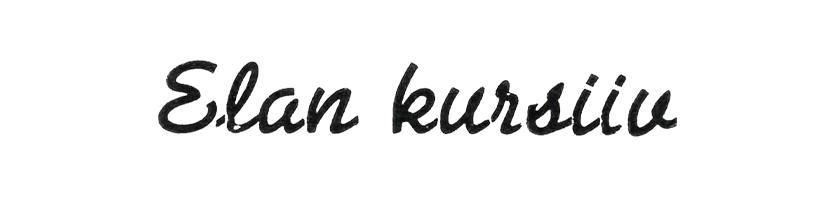
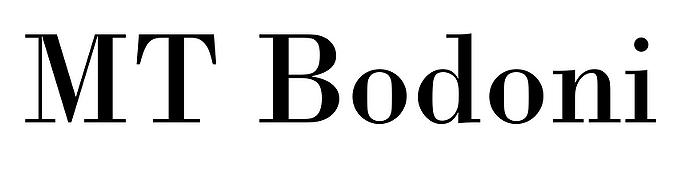
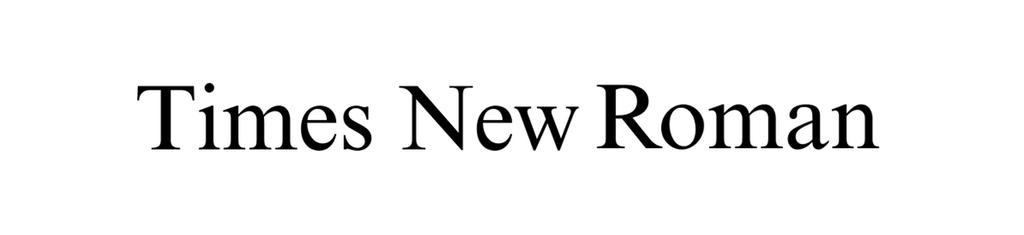
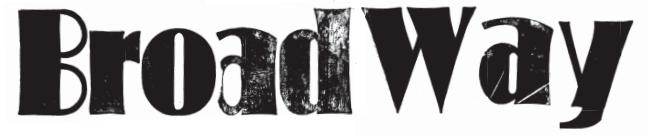
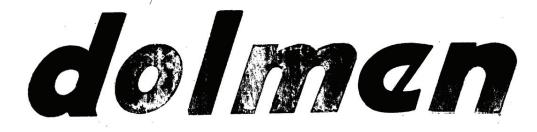
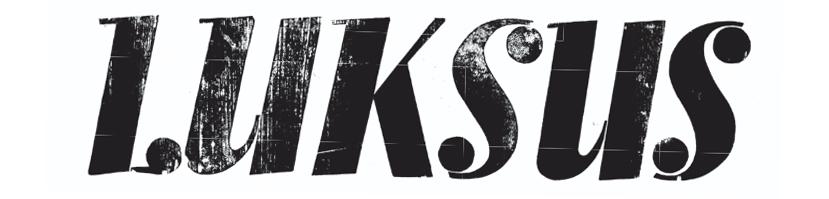
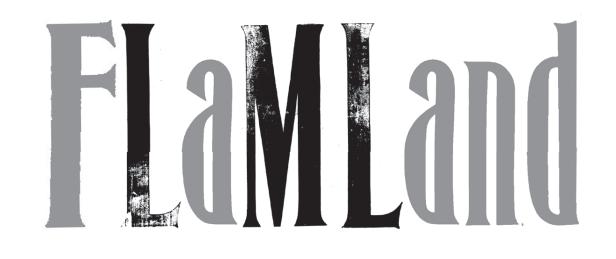
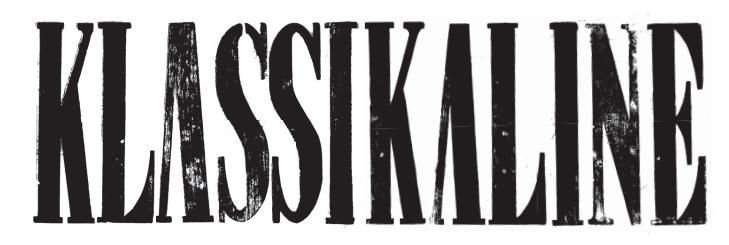
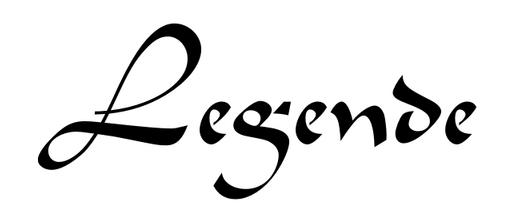
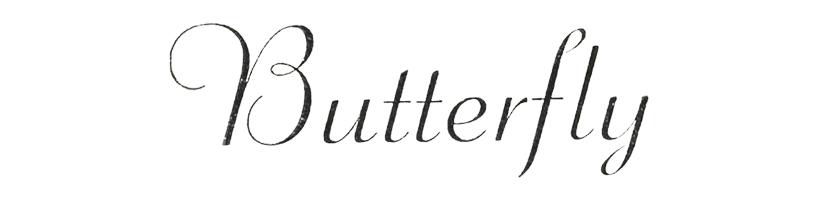
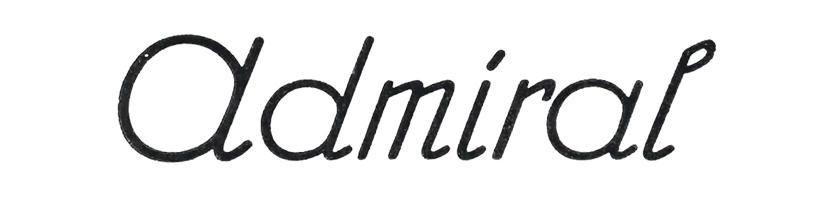
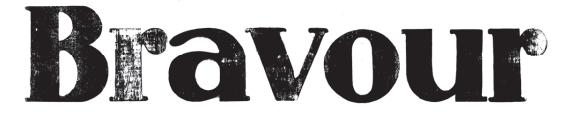
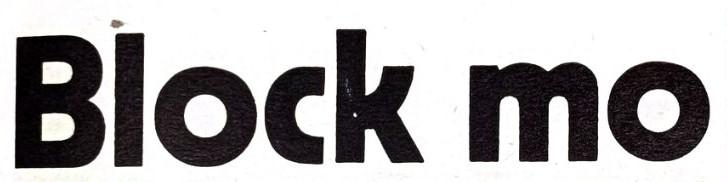
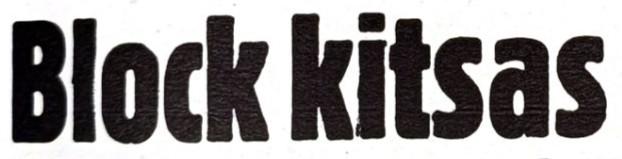
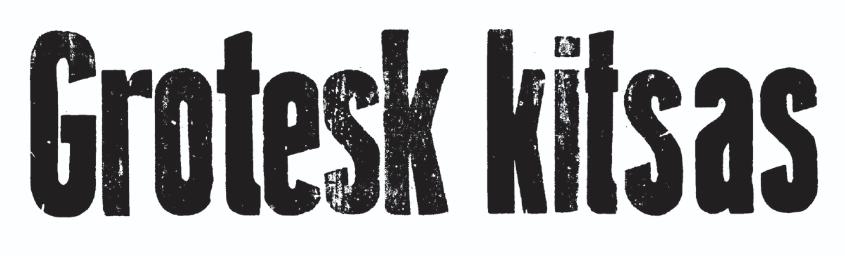
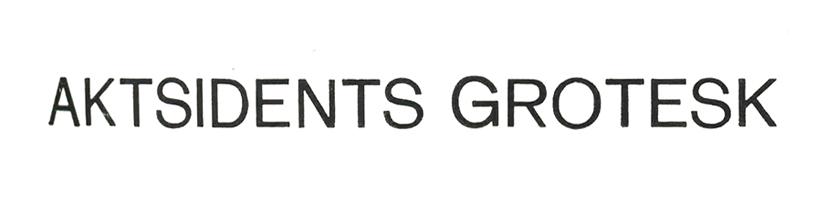
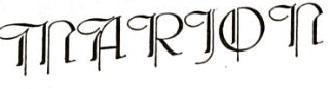
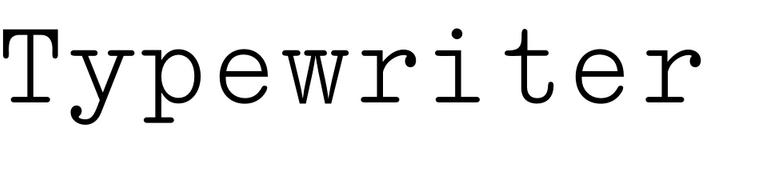
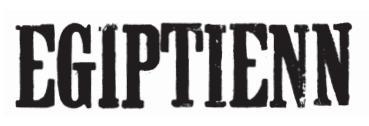
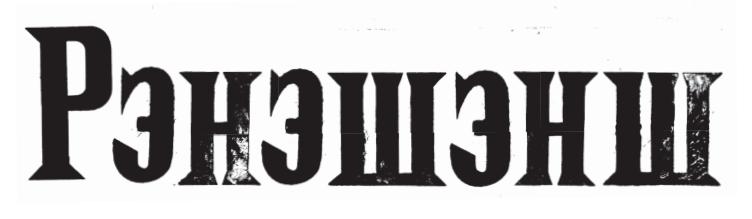
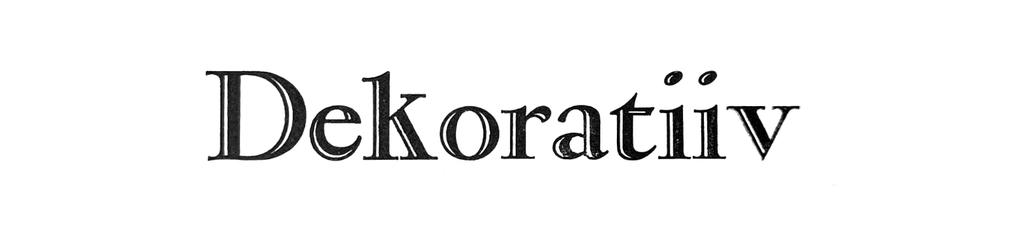
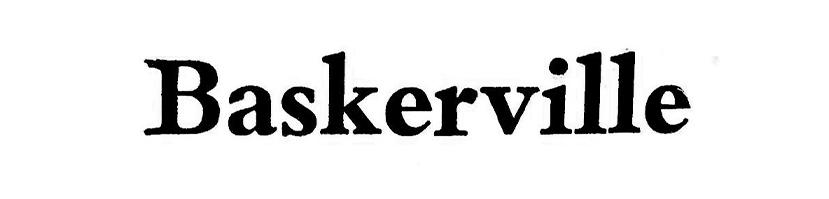
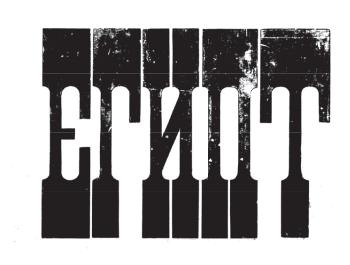
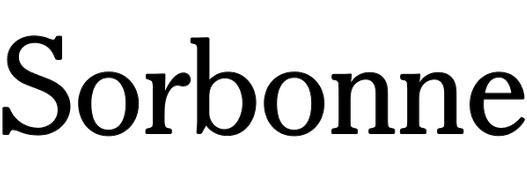
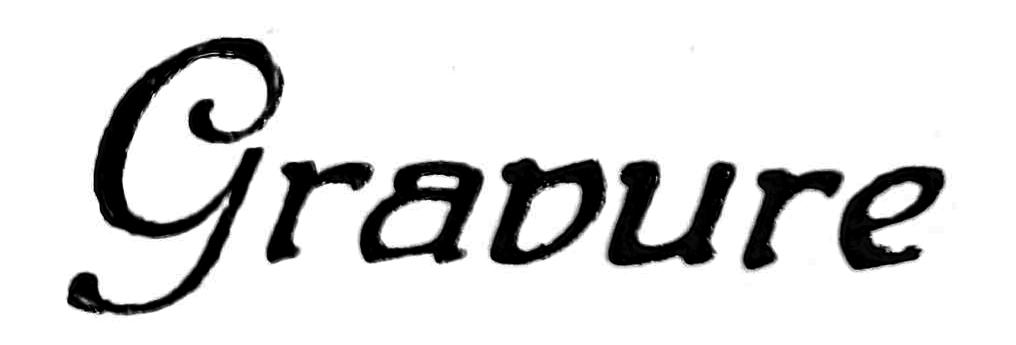
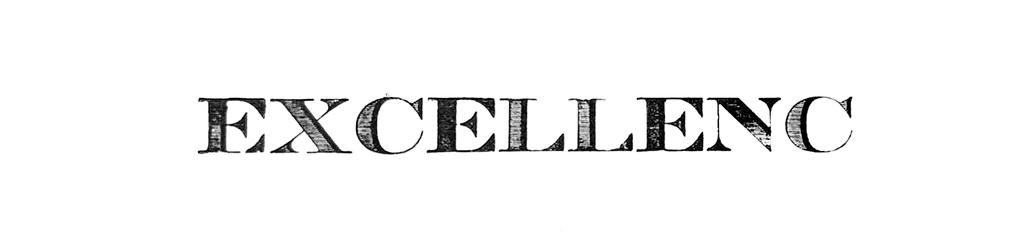
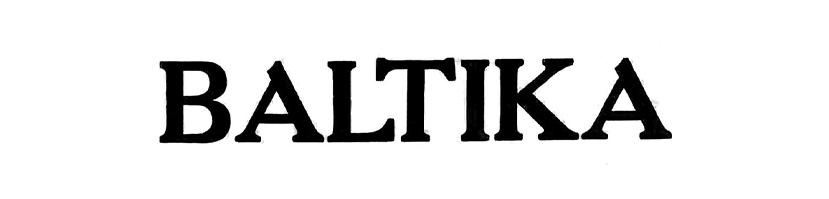
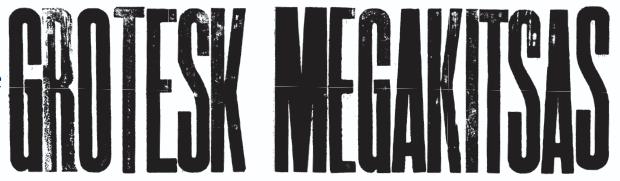
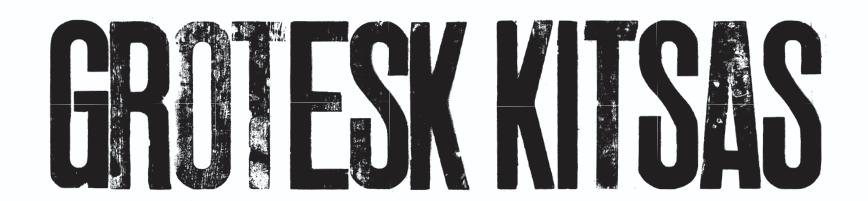
At the moment, only a part of TYPA’s type collection is publicly available. Below, you will find a list of type families displayed as tiles. Each tile shows the name of a type family. The family names were originally printed on paper using physical type, then scanned and scaled for display. These are not type specimens in the strict sense, but they give an idea of what the typefaces look like. By clicking on a tile, you can see which sizes and styles from that family are held at TYPA.
Our Font Collection






































Credits:
Researcher and curatorial team: Danila Rygovskiy, Charlotte Biszewski, Merilin Metsamaa, Joanna Bartonowicz, Paweł Schulz, Jörgen Loot
Designer: Paweł Schulz
Education program: Karoliina Tomasson
Social media support and video: Heldin Riga, Kirke-Triin Ritsik, Kärt Haak
Editor: Ello Varjas
Exhibition build: Siim Asmer, Joanna Bartonowicz
Me täname ja tunnustame / We thank and appreciate
Ivar Sakk, Liina Siib – Estonia Art Academy partners
Aleksandra Samuļenkova, Anna Chostegian, Laimė Lukošiūnaitė, Mantas Puodžiukaitis consultations and materials